
Osteopathy & FAQ
What is Osteopathy?
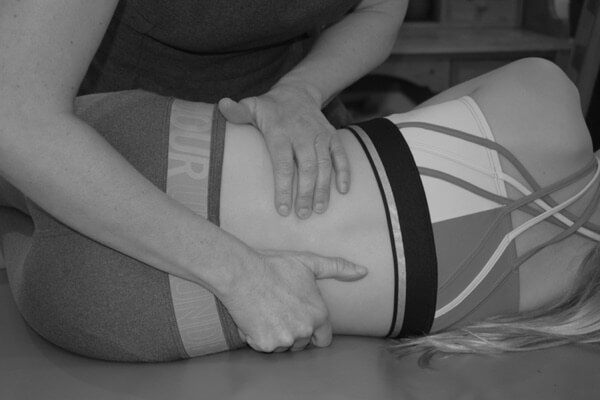
Once problematic areas have been identified by the Osteopath, a wide range of techniques are used to relieve pain and restore function of the body. Treatment may involve ‘hands on’ techniques such as soft tissue massage, stretching, joint mobilization to increase the range of movement, and advice on exercises to aid recovery and prevent symptoms from reoccurring. Treatment is tailored to the patient’s individual condition and techniques used only with patient consent. If needed, an Osteopath will refer you for further investigation, this may be for private scans such as MRI or to your GP, with your permission, should they deem that to be necessary.
Osteopathy can benefit most types of aches, pains and strains in people of every age. Osteopaths will assess and treat people from the newborn to pregnant mothers, athletes, and the very elderly, we simply alter our techniques accordingly.

What conditions do you treat at Tockington Osteopathy?
Joint Pain and Injuries
Sciatica and Trapped Nerves
Arthritic and Rheumatoid Pain
Tendonitis
Muscle spasms
Frozen Shoulder and Shoulder Injuries
Tennis and Golfers Elbow
Hip and Knee Pain
Plantar Fasciitis, Achille’s Tendonitis
Muscular Headaches and TMJ Pain
Whiplash Injuries
Repetitive Strain (RSI)
Musculoskeletal Pain in Pregnancy
Cranial Treatments
Rehabilitation and Clinical Pilates
Postural assessments
Is Osteopathy safe?
Yes. Osteopathy is a safe complementary form of medicine. Like Doctors and Nurses, Osteopaths are regulated. Patients can be confident that as a registered Osteopath we are qualified and insured and will adhere to a set of clinical standards that protect patients’ safety and dignity. Osteopaths are regulated by the General Osteopathic Council (GOsC). The minimum qualification for an Osteopath is a completion of a 4-5 year degree with ongoing yearly (minimum of 30 hours) continued professional development.

Do I need a GP referral to see you?
Will I need to take any clothing off?
How many treatments will I need?
Some patients choose to visit at regular intervals for preventative maintenance treatments. Babies and children, typically respond very quickly and often need only 3-4 sessions.
What is Cranial osteopathy?
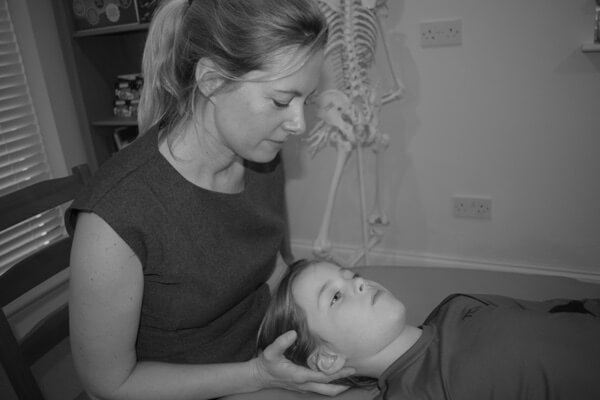
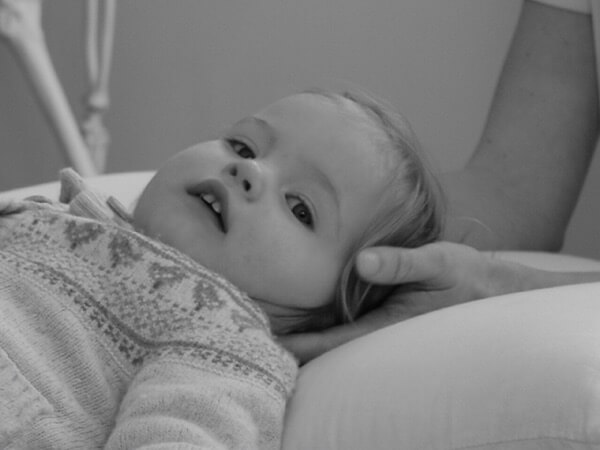
Cranial osteopathy is a gentle and subtle form of osteopathy that encourages the release of stresses and tensions throughout the body, including the head. It is a gentle yet extremely effective approach and may be used in a wide range of conditions for people of all ages, from birth to the elderly. It is a very popular technique used with babies and young children as it offers a gentle, holistic approach to childhood conditions. Osteopaths using cranial osteopathy will have undertaken post graduate courses in addition to their Osteopathic undergraduate training.
What happens in an Osteopathic session?
On your first visit we will begin by taking a detailed case history of your symptoms and medical history. Natalie will assess your posture and range of movements. If necessary, she will carry out Orthopaedic tests used in normal medical assessment. A diagnosis and management plan will be discussed followed by a specifically tailored hands-on treatment. The initial consultation can last up to 40 minutes and will include treatment. Follow up sessions are 30 minutes. Exercise and post treatment advice on pain prevention will be given to you.
Is Tockington Osteopathy the right clinic for me?
At Tockington Osteopathy we pride ourselves on building strong relationships with our patients, attending to your needs and making your wellbeing our priority. We are dedicated to delivering the highest quality patient care and work to the highest standard in everything we do. We are a small practice, meaning excellent continuity of care. We welcome you to be involved in every part of your treatment and to ask questions should you wish to throughout your treatment session with us. We thoroughly look forward to helping you back to health, should you give us the opportunity to do so.

Will I be sore after treatment?
Can I bring a chaperone?
Anyone under the age of 16 will need to be accompanied by an appointed guardian at all times.